It’s Bubblemania time again – just in time for the autumn half-term holidays, we’re kicking off our soap bubble festival for the whole family. Discover all there is to these iridescent wonders.
Plastic is light, strong, versatile and virtually indestructible – which is why we come across it in almost every aspect of our lives, often without even realising it.
How can we make better use of materials, repair them or recycle them? And: What ideas do you have for using plastics in a smart way?
At our hands-on stations, you’ll discover just how exciting and surprising this material can be!
On the trail of plastic.
What can you see when you look through a polarising filter? How does a scanner like the ones used in real recycling plants work? And can you recognise plastic without looking, just by feeling it with your fingers?
Material under the microscope: Turn the polarising filter and discover patterns in the plastic that nobody else can see.
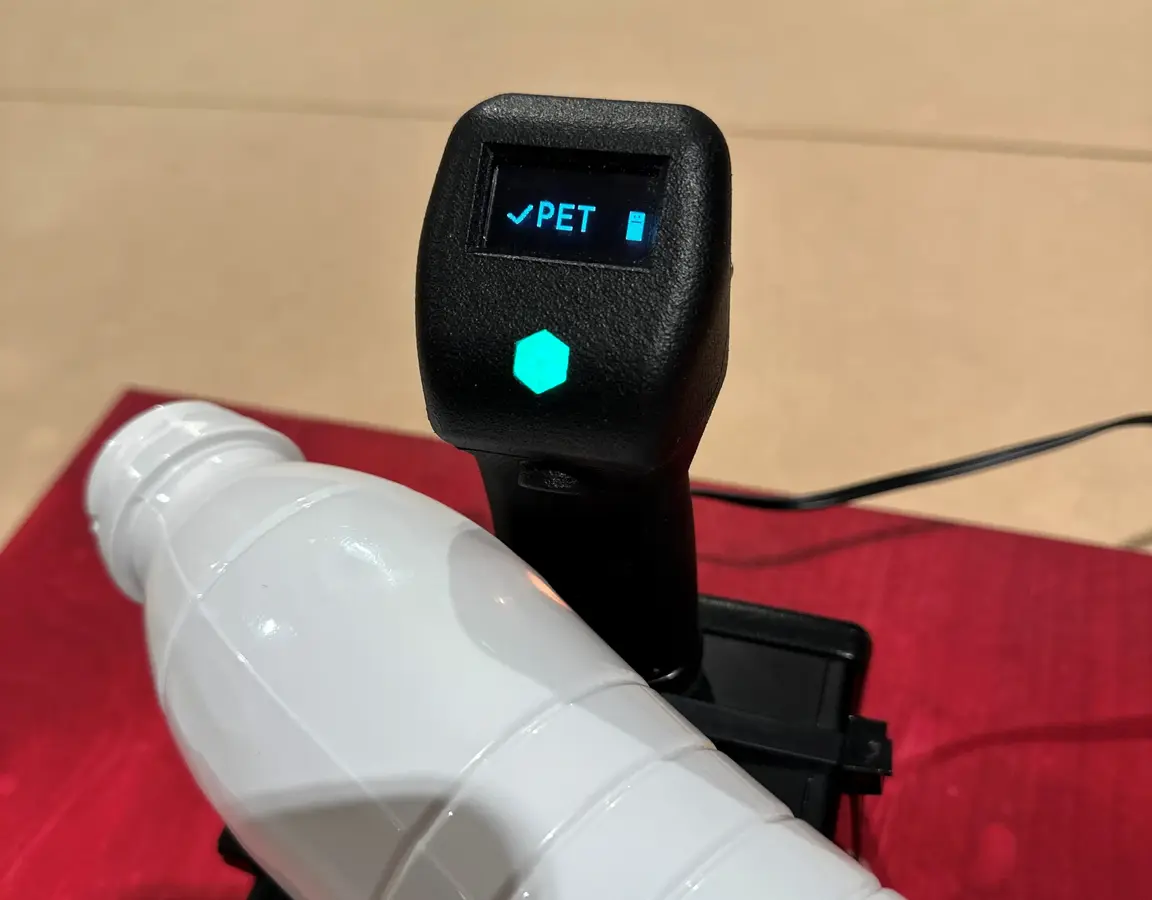
Scan like a pro: Try out an infrared scanner just like the ones used in real recycling plants – and find out what type of plastic it is.
By touch: Reach into the box without looking. Some things feel completely different to what you’d expect.
What remains.
Some things about plastic usually remain hidden – until you look closely or feel them.
Give it a go: tilt the platform until the puck slides, and take a closer look at the tread pattern of a bicycle tyre.
Making the invisible visible: under the microscope, you can see what remains invisible to the naked eye.
Key information at a glance.
Venue: TechLAB
1.30 pm–5.30 pm, at weekends, on public holidays and long weekends, and during Lower Saxony school holidays (subject to change)
Admission: included in the day ticket
The Future Lab is a collaboration with Ostfalia University of Applied Sciences and is funded by the Volkswagen Foundation.
Creative Station
Turning old into new – what are you creating?
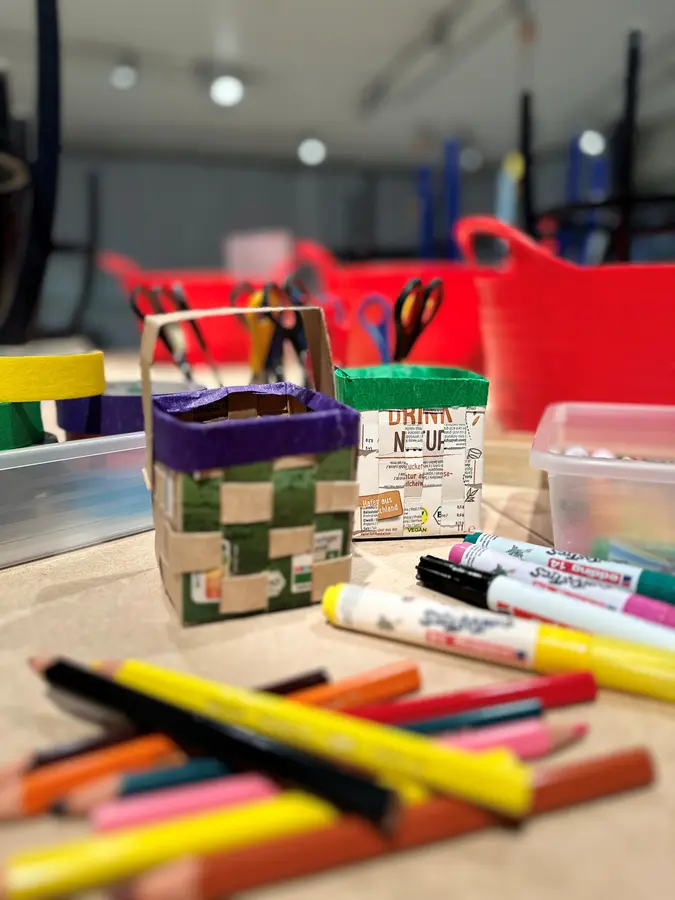
Weaving with drinks cartons: paper and plastic, firmly sealed together – it’s precisely this combination that you’ll be weaving here to create your very own little object.
A bangle with a story: Sand the edge of a bottle ring smooth and wrap it with a strip of fabric.
We’re already looking forward to seeing your ideas.
Workbench: Recycling plastic
What is plastic made of before it becomes an object? And what can you make from it yourselves?
The Poly Family: A materials station featuring a wide variety of plastic granules – the raw material for everything created here.
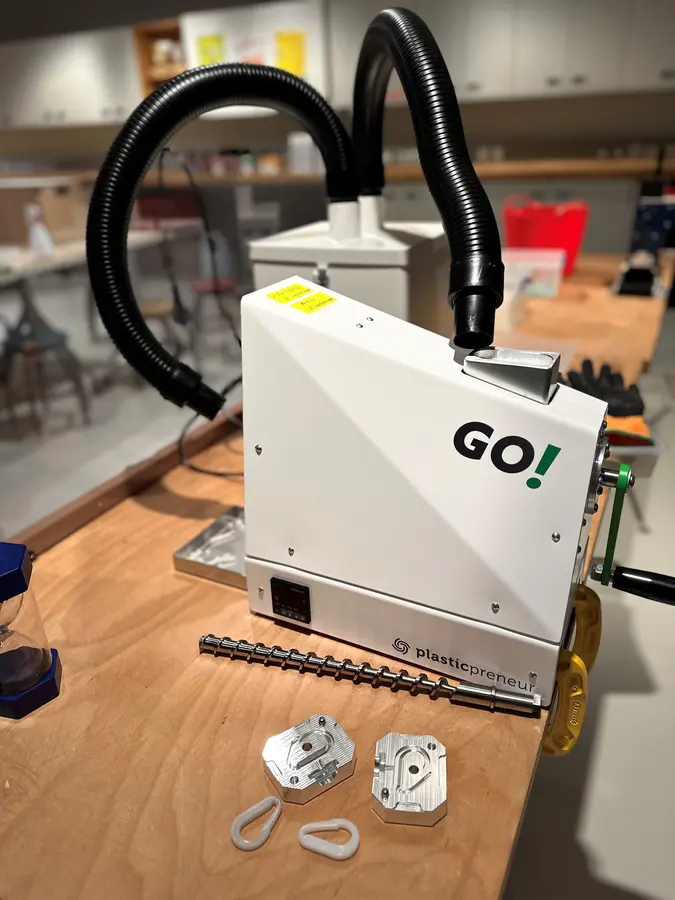
Workbench: Recycling plastic: shredding, melting and reshaping plastic – using the Holimaker plastic press, you can turn it into your very own little creation.