


When silence becomes an experiment.
With over 300 interactive exhibits spread across a seven-metre-high concrete crater landscape, anyone stepping into phaeno for the first time is literally overwhelmed by sounds, colours and movement.
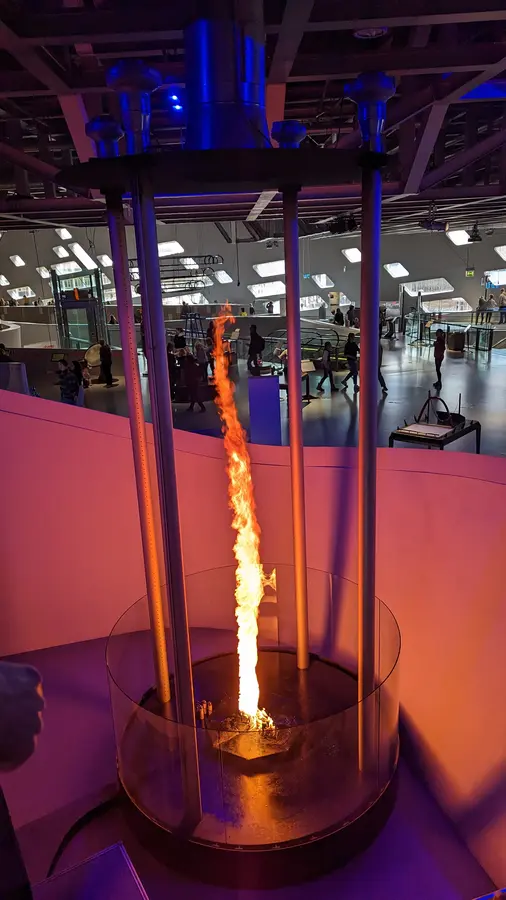
Once an hour, a column of flame up to six metres high shoots up from the centre of the exhibition – Europe’s largest indoor fire tornado.
Hall of mirrors and exhibits, the vertigo tunnel and tilted rooms create optical illusions; at sound stations, visitors can experiment with sound waves; and light installations bathe entire areas in changing colours.
It is precisely this principle – engaging as many senses as possible at once to bring physical phenomena to life – that has made phaeno so successful since it opened in 2005. It is, if I may say so, a place that wants to make itself heard.
Why ‘quiet’ has suddenly become a topic of discussion.
The fact that a place like this, of all places, is now introducing its own quiet time slots is no coincidence, but part of a wider social trend. Museums, cinemas and theme parks are increasingly offering ‘silent hours’ or ‘sensory-friendly hours’ – periods during which noise, lighting and visitor numbers are deliberately reduced.
The background to this is that public awareness of neurodiversity has grown significantly in recent years. Autism spectrum disorders, ADHD, high sensitivity and sensory processing disorders are far more commonly discussed today than they were ten years ago – not because there are suddenly more people affected, but because diagnostics, media attention and self-help communities have raised the profile of the issue. At the same time, there is a growing expectation that public institutions should be genuinely accessible to everyone – not just physically accessible, but also sensory-accessible.
Who has problems with what – and what exactly triggers them?
Stimuli such as noises, flashes of light or crowds are not processed in the same way by everyone. Some people perceive such stimuli much more intensely than the average person. This applies in particular to:
- People on the autism spectrum, for whom unpredictable noises, bright or flickering lights and crowded spaces can quickly become overwhelming.
- Highly sensitive people, whose nervous system either filters out environmental stimuli more effectively or, conversely, fails to filter them out.
- People with sensory processing disorders, whose brains organise the processing of stimuli differently.
- But it also applies to older people, those with migraines or anxiety disorders, and young children, who may simply be overwhelmed by a combination of noise, strobe lighting and large groups of visitors.
Typical triggers in a venue such as phaeno are easy to identify: sudden, loud noises; strobe and flash lights; garish or rapidly changing colours; announcements over loudspeakers; and simply the sheer number of people moving through the open-plan layout of the exhibition areas. For visitors who are sensitive to stimuli, precisely what makes the museum so appealing to others can become an obstacle – to the point where a visit may have to be cancelled altogether.
What exactly does phaeno offer?
phaeno responds to this by organising special ‘Quiet Hours’, which take place several times a year. The next session is on 13 November 2026, from 2.00 pm. On these afternoons, several measures are implemented simultaneously:
- Less noise: Particularly loud exhibits are turned down or switched off to reduce the overall noise level in the museum.
- Subdued lighting: Exhibits with intensely flashing or harshly changing lighting are toned down.
- Greater tranquillity through fewer visitors: No groups are admitted on these days, ensuring a more relaxed atmosphere for all visitors.
The aim is to provide a place of relaxation and wonder where visitors can experience the world of science in peace – without distractions or feeling overwhelmed.

A balancing act.
However sensible the concept may be, it is also a balancing act. Anyone travelling there specifically for the fire tornado, the light effects or the loud, action-packed atmosphere might be disappointed on a ‘quiet’ afternoon, when precisely these exhibits are turned down or switched off. A science centre like phaeno thrives largely on its sensory impact – colour, sound and movement are not mere embellishments, but an integral part of the way knowledge is conveyed. If these stimuli are reduced, the experience for all other visitors that afternoon will inevitably change as well.
There is also an organisational consideration: not hosting groups on these days represents a significant financial and logistical challenge for an organisation that is funded and structured, amongst other things, by school and nursery groups. ‘Quiet hours’ are therefore not a free add-on, but a conscious decision to set aside part of the usual programme on certain afternoons each year – in favour of a target group that might otherwise not come at all.
Nevertheless, phaeno is consciously addressing this issue and does not present the programme as an exception, but as a fixed, recurring event several times a year. The message is this: inclusion does not mean that everyone gets everything at the same time – but rather that there are opportunities at all where different needs can take centre stage.
What else visitors can do.
Even outside the ‘Quiet Hours’, you can make your visit less stimulating:
- Choose your visiting times carefully: school classes and nursery groups often visit phaeno on weekdays. Afternoons during the week are considerably quieter than at weekends or during the holidays.
- Bring ear protectors or headphones to dampen sudden loud noises.
- Plan in breaks: Use quieter exhibition areas as a place to retreat to.
- Find out in advance: The virtual tour on the phaeno website gives you an idea, even before your visit, of which areas are particularly stimulating.
- Speak directly to the phaeno team: For individual needs, it’s worth giving them a call or sending an email in advance to get advice on the best time to visit.
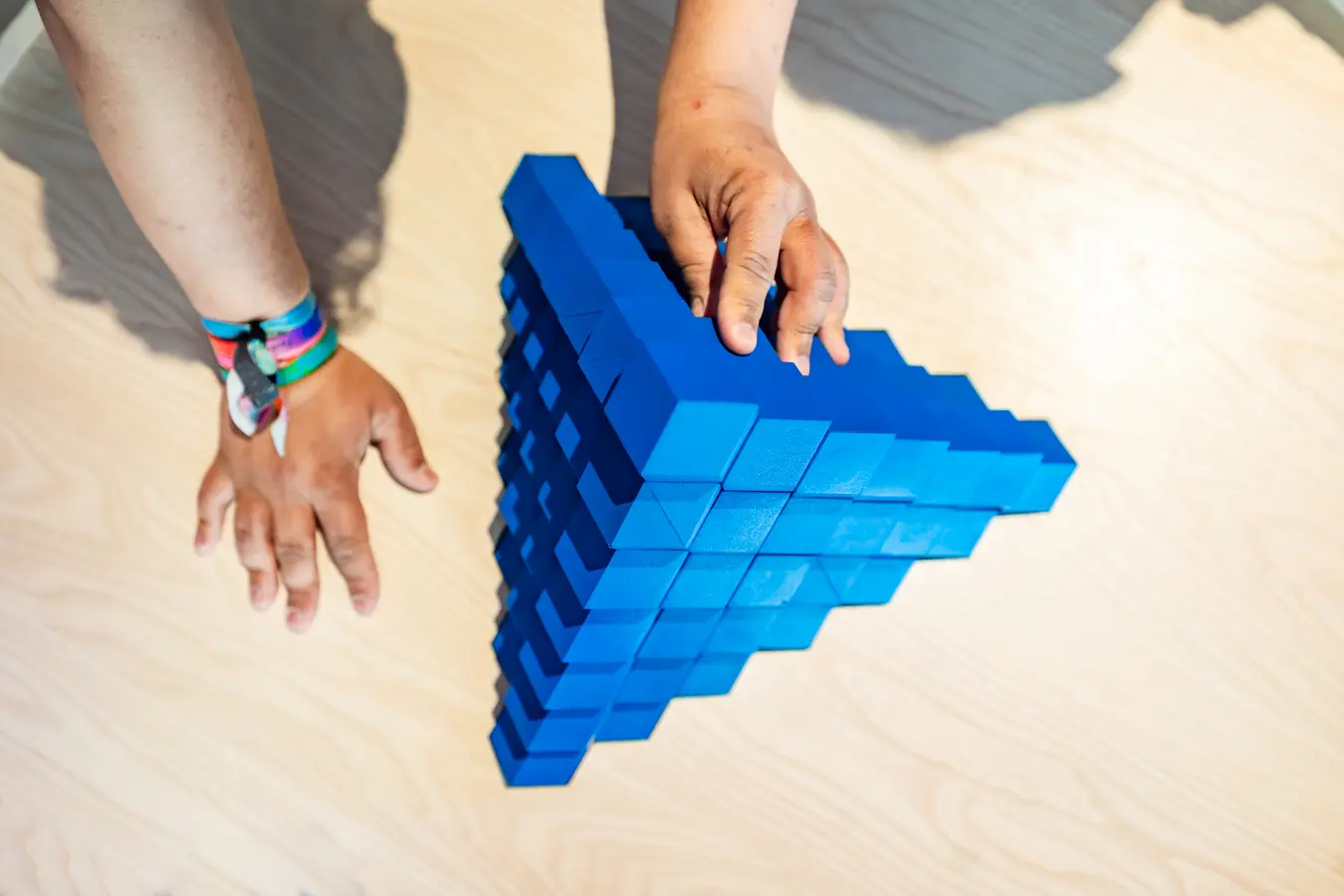
The ‘Quiet Hours’ are therefore not at odds with the noisy, colourful phaeno, but rather complement it: a venue that deliberately scales back its lighting for a few afternoons each year, in line with its core principle – making science an experience for as many of the senses as possible – for a few afternoons a year, so that those for whom this very richness of sensory input would otherwise be a barrier can also benefit from it.